Search for the weak points of a man during romance and you'll get two very different answers. One camp means the literal, physical sensitive spots on a man's body. The other means the emotional and performance vulnerabilities that show up in the bedroom: nerves, insecurity, fear of underperforming. Both are real. Both deserve a straight answer instead of a shallow listicle.
This guide covers both interpretations honestly, then bridges to the one area with an actual clinical solution: erectile dysfunction. We'll walk through male performance anxiety intimacy dynamics, the sensitive areas men during intimacy that get overlooked, and how to tell a bad night from a medical issue worth addressing.
What Do People Mean by a Man's "Weak Points" During Romance?
"Weak point" is doing double duty in this phrase, and that's exactly why the search results are so scattered.
Physically, it refers to areas of heightened sensitivity or vulnerability on a man's body, some erogenous, some just anatomically delicate. Emotionally, it refers to the mental pressure points that surface during intimacy: the fear of not performing well, body image worries, or anxiety about a partner's judgment.
Neither meaning is embarrassing. Bodies have sensitive spots. Minds have pressure points during vulnerable moments. Treating both plainly, without euphemism or shame, is the only way to actually answer the question.
The 7 Most Common Weak Points of a Man During Romance
Here are the seven that come up most often, mixing physical and psychological, because that's how they actually show up in real life.
1. Performance anxiety. Worrying about maintaining an erection or "lasting long enough" is one of the most common psychological weak points men report, and it can become self-fulfilling.
2. Fear of judgment. Concerns about body image, stamina, or comparison to past partners can pull a man out of the moment entirely.
3. Stress and cortisol. Elevated stress hormones interfere with the vascular and neurological signals needed for arousal. High cortisol is a documented antagonist to sexual response.
4. Fatigue. Poor sleep and physical exhaustion lower testosterone and reduce the energy needed for both desire and performance.
5. Alcohol. A depressant in any quantity, alcohol dulls nerve sensitivity and restricts blood flow, both of which work against arousal even though it feels like it "loosens things up."
6. Relationship tension. Unresolved conflict or emotional distance shows up physically. Intimacy is often the first place couples feel disconnect before they talk about it.
7. Physically sensitive areas. On the literal side, the glans, frenulum, and perineum are dense with nerve endings and can be points of heightened sensitivity or, in some cases, discomfort if not approached with attention and communication.
Physical vs. Psychological: How to Tell What's Actually Going On
This is the part most articles skip, and it's the part that actually matters.
A simple, widely used self-check: do you get firm erections in the morning or during sleep? If yes, the plumbing works. That points toward a psychological or situational cause, like performance anxiety, stress, or fatigue, rather than a physical one.
If erections are inconsistent across every context, including morning erections, masturbation, and with different partners, that pattern is worth a medical evaluation. Consistency across all situations, not just "romantic" ones, is the signal that something physiological may be involved.
This is also where the phrase "weak points of a man during romance" gets clinically useful instead of vague. A one-off bad night with a new partner is not the same signal as a six-month pattern. Context matters.
Male Performance Anxiety Intimacy Patterns: When It's Actually Erectile Dysfunction (And When It Isn't)
Situational difficulty, nerves with a new partner, an off night after drinking, stress from work bleeding into the bedroom, is common and not automatically erectile dysfunction (ED).
ED is a persistent pattern: difficulty achieving or maintaining an erection consistently enough that it affects sex most of the time, not occasionally. Erectile dysfunction causes young men experience most often are not what people assume. It's rarely just "getting older." Performance anxiety is a leading driver of situational ED in men under 45, alongside stress, poor sleep, heavy alcohol use, certain medications, and underlying vascular or hormonal issues. Anxiety and ED can also feed each other: one bad experience triggers anxiety about the next one, which then contributes to another difficult experience. That loop is exactly why self-awareness before treatment matters.
Practical, Evidence-Based Ways to Address Each Weak Point
For the psychological weak points, the honest advice is not medication. It's communication, rest, and reducing the variables that raise cortisol and lower confidence: talk openly with your partner about nerves, prioritize sleep, cut back on alcohol before sex, and address relationship tension directly rather than letting it surface only in the bedroom. These fixes work because they target the actual cause.
For the physical sensitivity points, pacing, communication, and attention to what feels good (or doesn't) resolve most concerns without any product or prescription needed.
For genuine, consistent erectile difficulty, it helps to understand what treatment actually does. Sildenafil and tadalafil are PDE5 inhibitors. They increase blood flow to the penis, they do not increase desire, and they require arousal to work. They are not a fix for low libido or performance anxiety on their own; they treat the vascular mechanism of an erection. That distinction matters and it's worth being upfront about it.
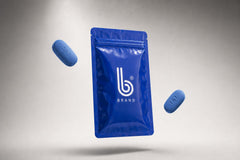
If your difficulty is consistent rather than situational, an online evaluation with a licensed physician can determine whether a treatment like sildenafil from B Brand or daily tadalafil from B Brand is right for you. Both are prescribed by US-licensed physicians after a brief online consultation, with the same active ingredients as brand-name Viagra and Cialis, transparent pricing, and no hidden membership fees.
For a deeper look at how these medications compare and what else is available, see our complete evidence-based guide to ED treatment in 2026. If you'd rather start with lifestyle changes before considering a prescription, our breakdown of what actually works for ED naturally is a good next step.
B Brand connects you with licensed providers who review your intake and write prescriptions same-week, shipped directly to your door. Visit B Brand's men's health platform to get started today.
Featured Products

Frequently Asked Questions
Stay current on men's sexual health.
New articles, research updates, and treatment guides delivered to your inbox.
No spam. Unsubscribe anytime.